Why 24-Hour Staff Support Seniors Makes a Real Difference in Assisted Living
When a family starts looking into assisted living, the questions come fast. Is my loved one safe at night? What happens if they need help in the middle of a meal or at three in the morning? These concerns are not abstract. They hit close to home because senior care is deeply personal. Over the years I have seen many families struggle with the decision, often because they do not know what to look for in a community. One factor that consistently separates a good place from a great one is the availability of round-the-clock assistance. The concept of 24-hour staff support seniors in a way that goes beyond just having someone on the premises. It means trained eyes and hands are present at every hour, ready to respond to falls, confusion, medical needs, or simply a request for a glass of water.
I remember visiting a community where a resident named Margaret had a habit of waking up disoriented around 2 AM. She would wander the hallway, unable to find her room. In a place with only overnight security but no nursing or care staff, that situation could escalate into a fall or a long period of distress. But because the facility had proper 24-hour staff support seniors like Margaret were guided gently back to bed, offered a warm drink, and reassured until they settled. That kind of care does not happen by accident. It requires consistent staffing, training, and a philosophy that care does not stop at 5 PM.
The Difference Between Staffed and Barely Staffed
Not all 24-hour coverage is equal. Some communities advertise round-the-clock staff but only have a single person on duty overnight who is responsible for the entire building. That person might be a security guard or a maintenance worker with minimal training in senior care. Genuine 24-hour staff support seniors involves having qualified caregivers, nurses, or aides available at all times. They are not just present but actively monitoring, checking in, and ready to handle emergencies like choking, medication reactions, or sudden illness.
In my own experience consulting with families, I have seen how understaffed nights lead to serious problems. A resident might lie on the floor for hours after a fall because no one hears the call button. Another might skip their evening medication because the person distributing it went home at 10 PM. These are not hypothetical scenarios. They happen more often than people realize. When a facility commits to true 24-hour staff support seniors, they are making a statement that every hour matters equally.
How Staffing Levels Affect Daily Life
Good staffing is not just about safety. It shapes the entire rhythm of the day. When enough people are on shift, meals can be served with patience. Bathing and dressing happen without rushing. Residents get help walking to activities or participating in memory care programs. The difference between a place that feels like a hospital and one that feels like a home often comes down to how many hands are available to help with the small things.

I once spoke with a daughter whose mother lived in a facility that advertised 24-hour care. But when her mother needed help using the bathroom at midnight, the only staff member was the night supervisor who was also handling three other call lights. The wait was forty-five minutes. That experience pushed the family to move her to a community where the ratio was better and the promise of overnight help was real. The daughter told me that the first night in the new place, her mother slept through the night for the first time in months simply because she felt reassured someone would come quickly if she called.
Memory Care and the Nighttime Challenge
For residents with Alzheimer's or other forms of dementia, nighttime can be especially difficult. Sundowning is a real phenomenon where confusion, agitation, and restlessness increase as the day ends. A person who is calm and cooperative during the day may become anxious or aggressive in the evening. Without proper staffing, this leads to sedative use, restraints, or unhappy residents. But with trained staff who understand these patterns, the same person can be redirected, comforted, and supported without medication.
I have seen memory care units where the overnight team does not just sit at a desk. They walk the halls, engage with residents who are awake, offer snacks, and keep the environment calm. They know that for some residents, a gentle hand on the shoulder and a soft voice are more effective than any lock or alarm. This kind of care is built on the foundation of 24-hour staff support seniors who are not just present but engaged.
Practical Tips for Families Evaluating Communities
If you are looking at assisted living or memory care for a loved one, here are a few questions to ask about overnight and weekend staffing:
- How many staff members are on duty during each shift, especially overnight?
- Are there licensed nurses on site 24 hours a day, or are they on call?
- What training do overnight staff have in dementia care and emergency response?
- How does the facility handle call lights or requests for help between midnight and 6 AM?
- Can you speak with a current resident or family member about their experience with nighttime care?
These questions can help you separate marketing language from reality. A community that is proud of its staffing levels will answer openly. One that hesitates or gives vague answers may be hiding gaps.
Staffing and Respite Care
Short-term respite stays are another area where 24-hour coverage matters a great deal. Families sometimes use respite care after a hospital stay or when a primary caregiver needs a break. The resident arrives with medical needs, medication schedules, and possibly some confusion about the new environment. Having consistent staff around the clock helps the person settle in and reduces the risk of complications. I have seen respite guests who arrived anxious and overwhelmed leave after a week feeling rested and safe because the team was there every hour to help them adjust.

Respite care is often underestimated by families until they need it. When it works well, it gives everyone breathing room. The senior gets professional support, and the family gets peace of mind knowing that someone is watching over their loved one at all times. That peace of mind is directly tied to the reliability of the overnight and weekend team.
The Human Side of Round-the-Clock Care
Numbers and ratios are important, but the real test of 24-hour staff support seniors is how it feels on the ground. When I walk into a facility at an odd hour, I look for signs of life. Are staff members talking to residents? Is the atmosphere calm or tense? Do people look like they are just going through the motions, or are they genuinely engaged? The best communities I have visited have a certain warmth that does not fade when the sun goes down.
One evening I visited a place where a male resident with advanced dementia was sitting in the common area, upset and unable to articulate why. A young aide sat down next to him and started talking about the weather, asking if he liked rain. Within a few minutes, he was calm. She did not need to medicate him or call for backup. She just needed time and patience, two things that are only possible when staffing levels allow it. That is the kind of care that makes a real difference in quality of life.
What To Expect from a Quality Community
A community that prioritizes round-the-clock staffing usually has lower turnover, happier residents, and fewer hospitalizations. Staff who are not burned out from being stretched too thin can build relationships with the people they care for. Those relationships are the backbone of good senior living. When a caregiver knows that Mr. Jones likes his coffee with two sugars or that Mrs. Smith gets anxious before bed, they can provide care that feels personal and respectful.
Families sometimes worry that moving a loved one into assisted living means losing connection or control. But in a well-staffed community, the opposite can happen. The family becomes part of a team that includes professional caregivers who are there at all hours. The stress of waking up at 3 AM to check on a parent or rushing over after work to make sure they took their medicine is lifted. That freedom allows families to focus on being daughters and sons again instead of full-time caregivers.
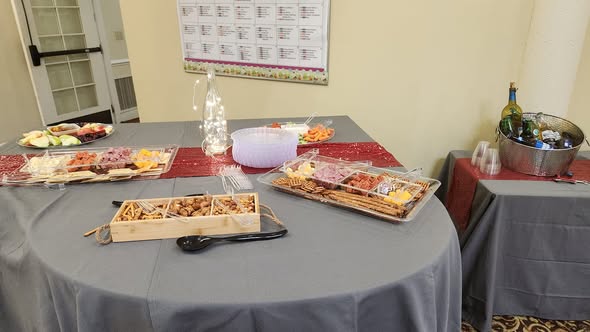
At Hibiscus Court in Melbourne, FL, the approach to senior living includes assisted living, memory care, and respite services with personalized support for seniors and their families. Located at 540 E Hibiscus Blvd, Melbourne, FL 32901, USA, and reachable at +1 321-361-5997, the community strives to offer care that meets the needs of each resident throughout the day and night.
Choosing a place for a loved one is never easy. But understanding what real 24-hour coverage looks like can make the decision clearer. It is not just about having someone in the building. It is about having the right people, in the right numbers, at every hour, who are trained and willing to help. That is the standard that families deserve and that residents rely on.
Connect with us on Facebook.